During R&D project initiation for medical rehabilitation equipment
During R&D project initiation for medical rehabilitation equipment, choosing an industrial design partner is often the most easily…
During R&D project initiation for medical rehabilitation equipment, the choice of an industrial design partner is often the most underestimated decision point. The appearance concept is approved, and only when engineers take over do they discover that the curved-surface parting cannot be made, the joint trajectory conflicts with the kinematics, and the housing wall thickness cannot meet sterilization requirements... Rework starts here, and schedule control is lost here.
This is not an isolated case. It is the systemic cost of the long-standing separation between ID (Industrial Design) and ME (Mechanical Engineering). With the arrival of Agentic AI, this gap is becoming impossible to hide—the distance between design teams that can bridge it and those that cannot will widen rapidly.
A repeatedly overlooked blind spot in partner selection
A repeatedly overlooked blind spot in partner selection
When most medical companies screen industrial design firms, their evaluation criteria focus on whether the portfolio looks good, whether the team is large enough, and whether the quote is reasonable. These three criteria happen to fail to reflect one thing:
This company's design
Can this company's design go directly into engineering validation?
For consumer electronics or home appliances, the cost of this question is relatively manageable. But for medical rehabilitation exoskeletons, the cost is different:
Kinematic trajectory does not match the human joint axis → the wearer's joints experience additional stress, creating a medical safety risk
The joining process for dissimilar materials—carbon fiber and aluminum alloy—is not locked in during the design stage → major structural changes later, and tooling is scrapped
Spatial interference between the housing and actuator is not verified in advance → discovered during assembly, delaying development by 2–4 months
This company's design
Can this company's design go directly into engineering validation?: Sterilization compatibility is not included in material selection → NMP...
Sterilization compatibility is not included in material selection → NMPA registration testing fails, and materials must be reselected
Every one of these is a problem that actually occurs after R&D project initiation and after design drawings are delivered. The root cause is that the design team lacks sufficient engineering depth to lock down these constraints early.
Agentic AI steps in
Agentic AI is widening the gap between design teams
Since 2025, several notable developments have occurred in the engineering design toolchain:
Neural CAD(Autodesk)
Neural CAD (Autodesk): Modeling Is No Longer Just “Drawing Shapes”
Neural CAD, released by Autodesk in 2025, is a type of generative AI foundation model that directly understands parametric CAD command sequences. It can not only generate geometric forms but also reason about manufacturing constraints and mechanical boundaries during modeling. According to official Autodesk data, the system has been able to automatically complete 80–90% of routine modeling tasks in internal testing, and its accompanying Agentic AI assistant can compress “describe structural intent → model → simulation validation” into one continuous workflow.
What does this mean for buyers? Design teams that can handle this toolchain can show you mechanical simulation results during the early concept stage, instead of waiting until the mechanical engineer receives the drawings to say, “This can't be made.”
Dyad AI(JuliaHub)
Dyad AI (JuliaHub): Physical Verification Moves into the Design Stage
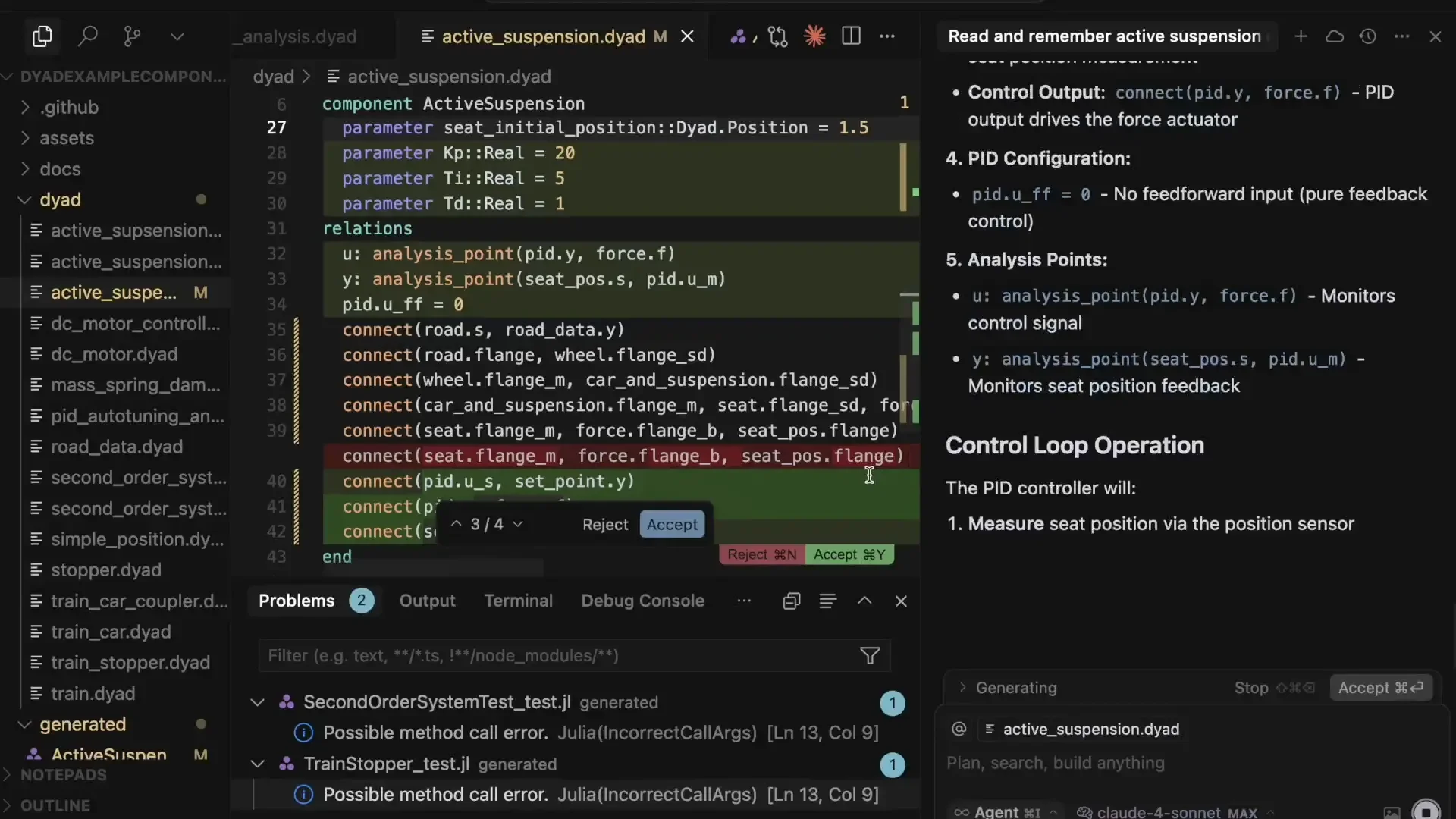
In June 2025, JuliaHub released Dyad AI—an engineering agent platform that unifies a language model, a physics compiler, and a high-fidelity simulation engine in a single environment. Its core feature is “physical correctness first”: when the AI generates engineering solutions, the dimensional consistency of physical quantities such as force, torque, and heat flow is enforced by the compiler, and dimensional errors are intercepted before the code runs. Official JuliaHub data shows that Dyad can achieve a 10x efficiency improvement and 100x simulation acceleration.
In other words: Agentic AI is moving work that originally belonged to the ME stage earlier into the ID stage. Once this boundary shifts, capability gaps between design teams become fully exposed early in the project.
Image from the JuliaHub official website
Exoskeleton Design
Exoskeleton Design: How IDING Handles the “Hardest to Merge” ID and ME Boundary
Exoskeletons are the medical category with the strongest need for integrating industrial design and mechanical engineering. There is no room for compromise: enclosure form must follow human kinematics, not the other way around. Below is the design decision path for two exoskeleton products developed by IDING DESIGN in collaboration with the University of Electronic Science and Technology of China.
Fushanshou Upper-Limb Exoskeleton
Fushanshou Upper-Limb Exoskeleton: Motion-Axis-First Form Logic
The core design conflict in upper-limb exoskeletons is that the human shoulder is a three-degree-of-freedom ball-and-socket joint whose instantaneous axis of rotation changes dynamically with posture, while the mechanical joint's axis of rotation is fixed. If enclosure styling takes priority over kinematic design, it will almost inevitably subject the wearer's joint to additional lateral forces during movement—unacceptable in medical scenarios.
IDING DESIGN took on the following work during the project's early design phase:
Worked with the UESTC team to determine kinematic parameters for each joint and incorporate rotation-axis offset into enclosure contour constraints.
Completed pre-analysis of stress concentration at carbon-fiber and aluminum-alloy connection areas before CMF selection to avoid weak cross-sections.
Fushanshou Upper-Limb Exoskeleton
Fushanshou Upper-Limb Exoskeleton: Motion-Axis-First Form Logic: For Users with Different Arm Lengths (5th–95th Percentile…
Performed reachability simulation of the adjustment mechanism for users with different arm lengths (5th–95th percentile) to ensure the form accommodates the adjustment travel.
Co-designed the enclosure parting-line position with the donning and unlocking motion path to avoid the wearer touching the parting line during donning and causing perceived discomfort.
Every item above occurs before the appearance concept review stage—this is the most fundamental difference between IDING DESIGN and design firms that 'only do appearance.'
Fushanshou Passive Exoskeleton (in collaboration with the University of Electronic Science and Technology of China)
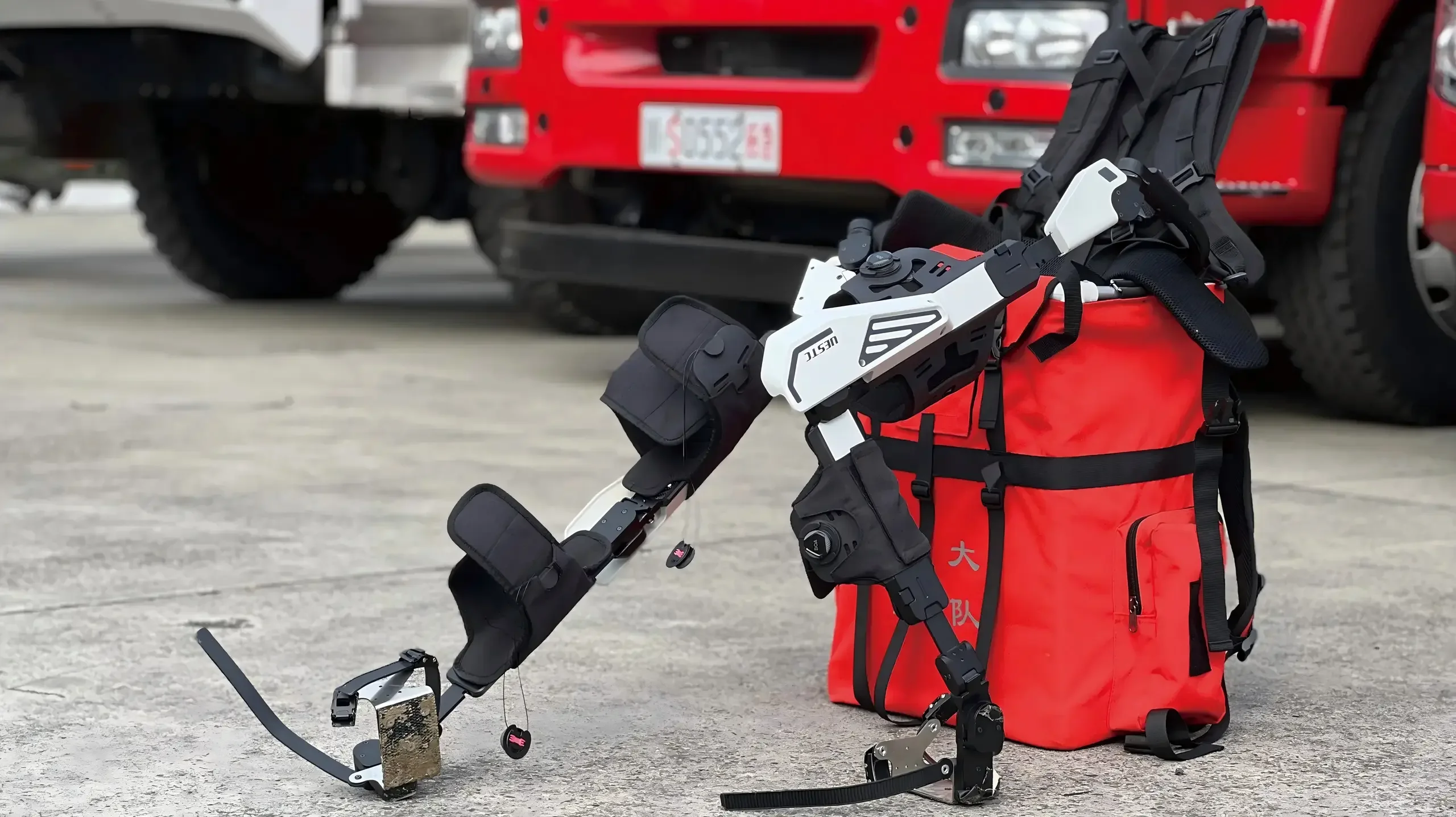
Lower-Limb Exoskeleton
Lower-Limb Exoskeleton: Synchronizing Fit Across Body Types with Mass-Production Process Windows
Lower-limb exoskeletons face more complex design constraints: the hip, knee, and ankle joint axes must meet kinematic requirements in the sagittal, coronal, and horizontal planes; at the same time, the enclosure must maintain structural rigidity across users with different leg lengths and different femur-to-tibia ratios, rather than relying only on adjustment screws to compensate.
Engineering work that IDING DESIGN advanced in parallel during the form-development stage included:
Built a parametric leg-length fit model, coupling enclosure cross-section shape with adjustment travel to ensure wall-thickness allowance under extreme body sizes.
Conducted early fatigue-life estimation for the knee articulation area to guide the safe boundaries of form curvature.
Lower-Limb Exoskeleton
Lower-Limb Exoskeleton: Synchronizing Fit Across Body Types with Mass-Production Process Windows: Incorporating Mold-Opening Direction of Mass-Production Injection Molding into Form Constraints…
Incorporated the mold-opening direction of mass-production injection molding into form constraints to avoid undercut designs causing a sharp increase in tooling costs.
Completed motion-path simulation for the donning process to confirm that single-person donning reachability meets rehabilitation clinical scenario requirements.
Powered Exoskeleton (in collaboration with the University of Electronic Science and Technology of China)
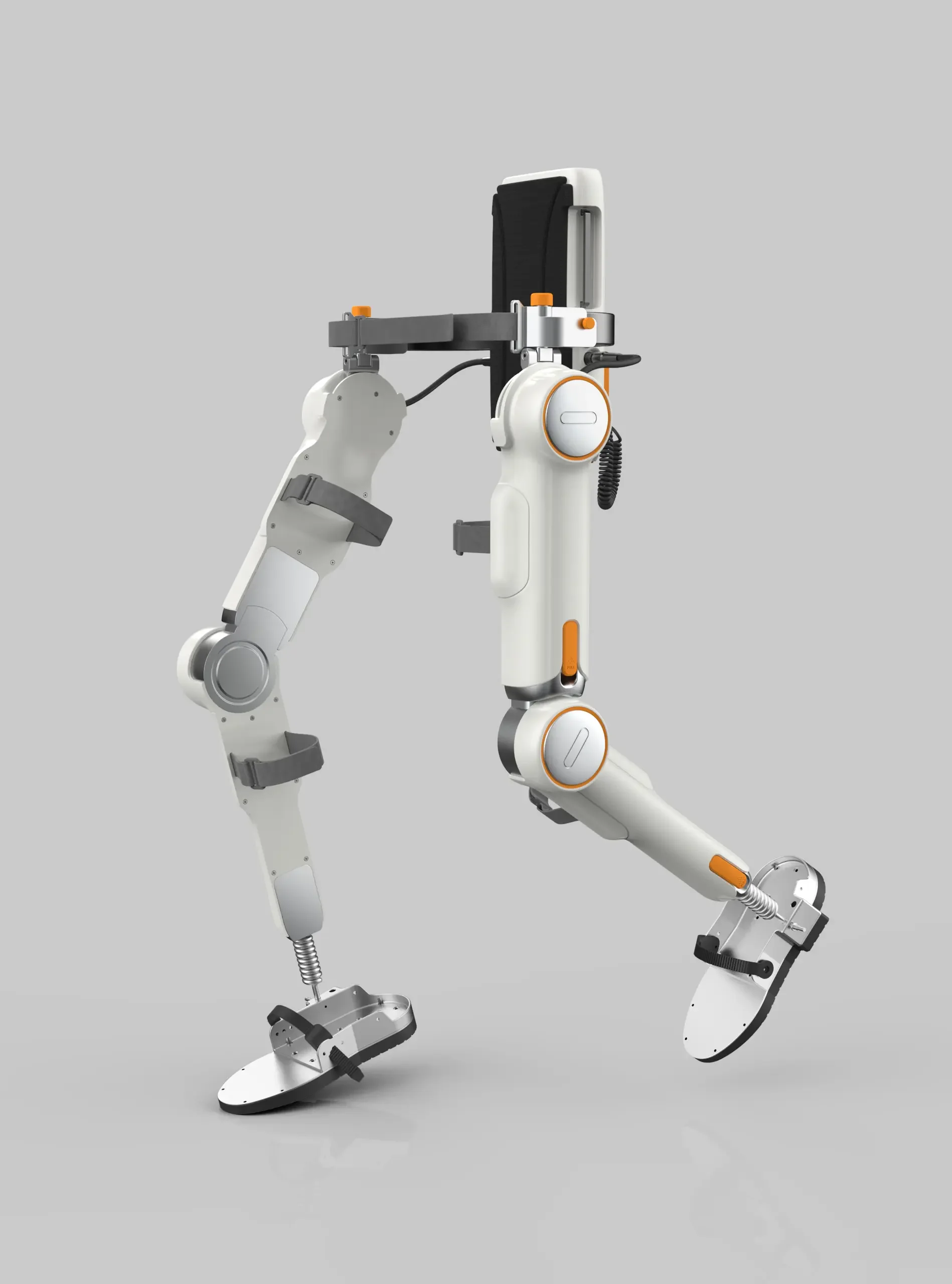
Supporting Reference
Supporting Reference: Similar Design Logic in Other Medical Products
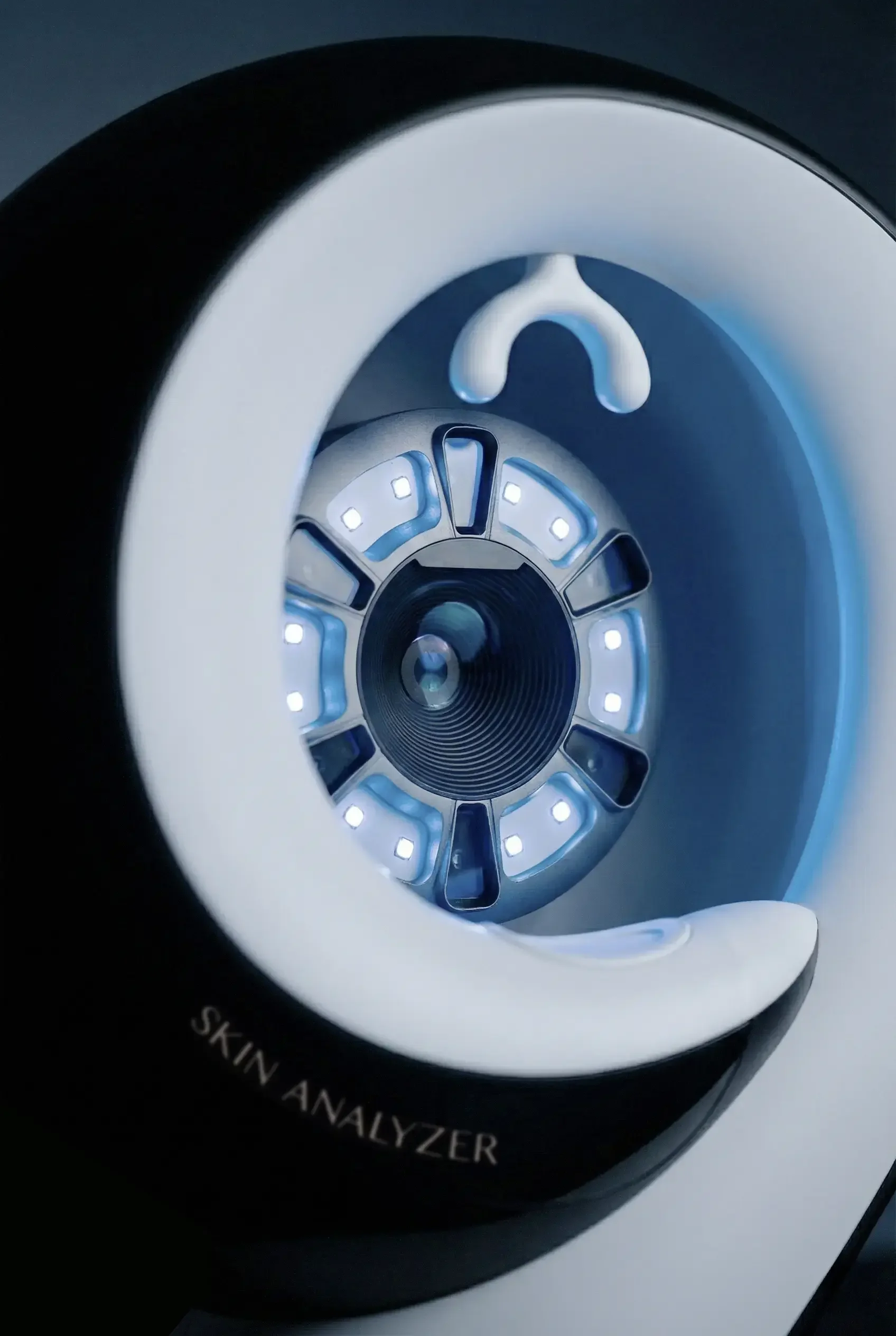
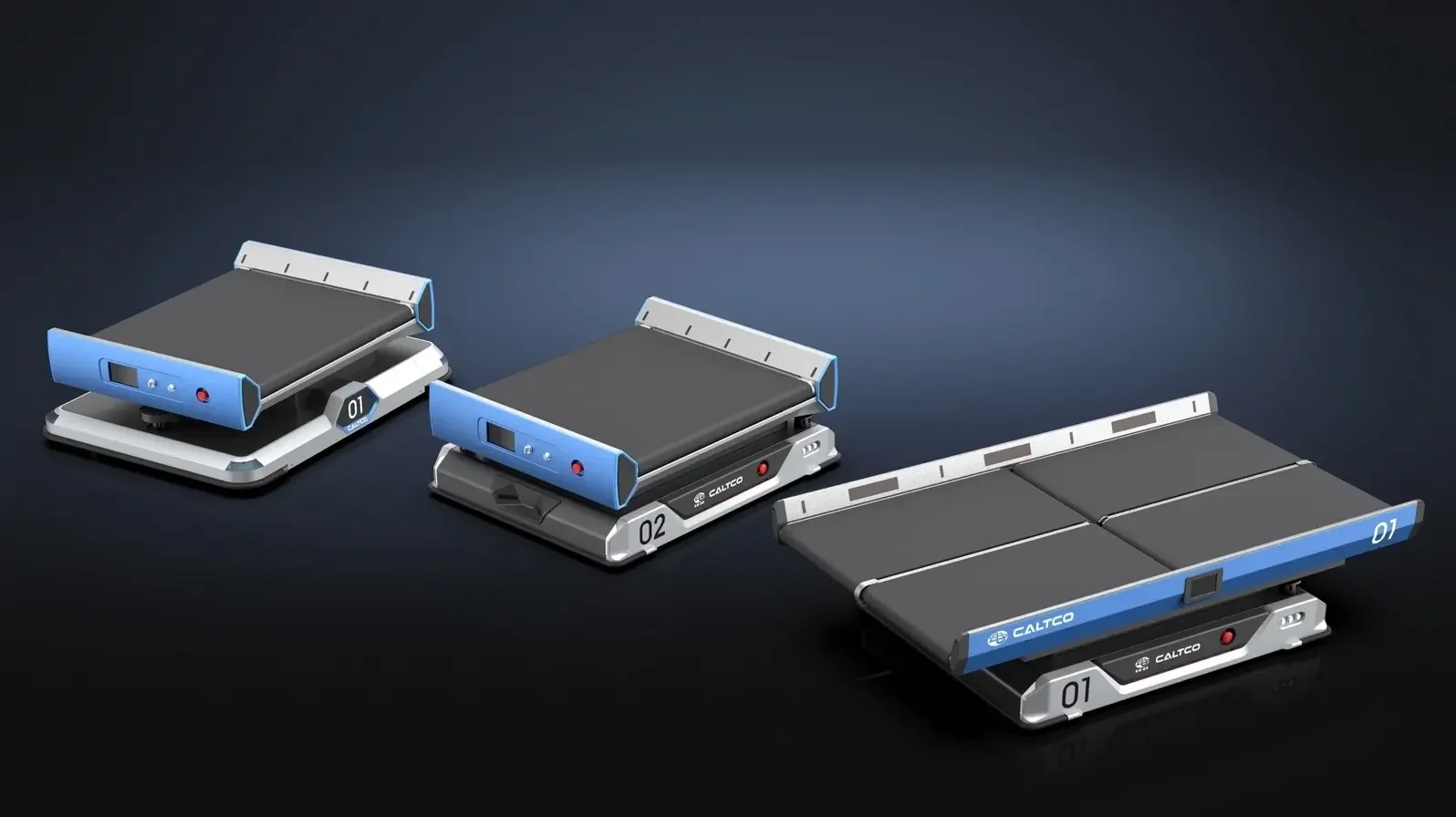
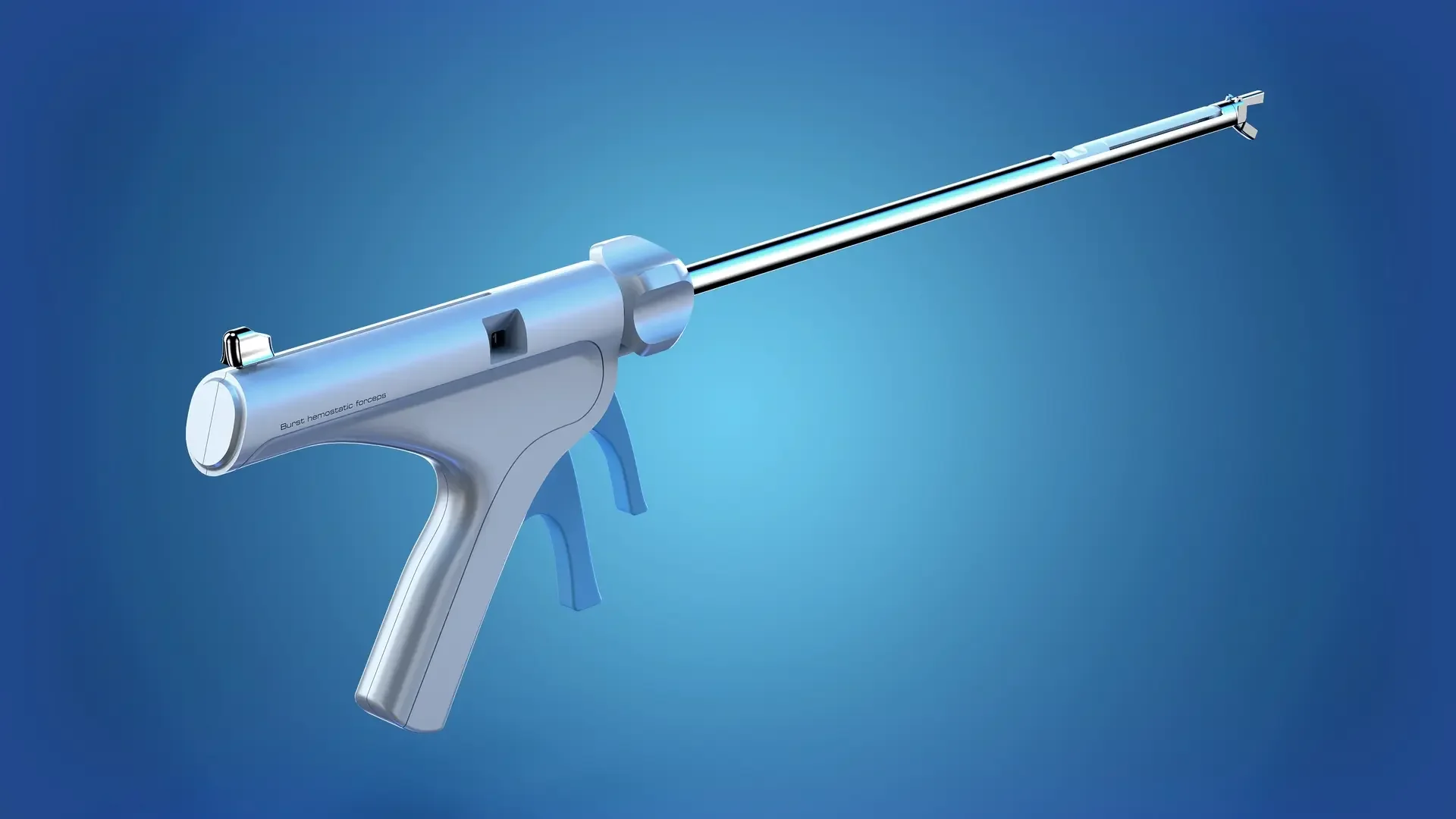
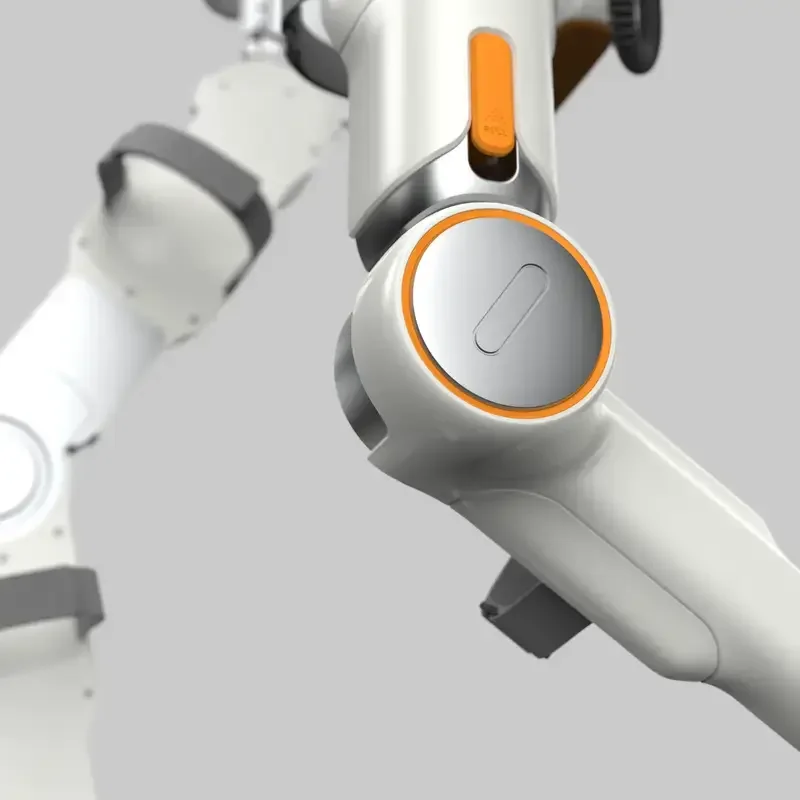
Exoskeleton design methodology is not an isolated case. IDING DESIGN applied the same 'ID/ME parallel front-loading' framework in the following projects:
More medical and rehabilitation equipment cases: https://iding.net/cases

Three Practical Screening Questions for Procurement Teams
Three Practical Screening Questions for Procurement Teams
When evaluating industrial design partners for medical rehabilitation equipment, the following three questions can effectively distinguish teams that 'can do appearance' from teams that 'can do engineering design':
Question 1
Question 1: “At the appearance concept phase, which mechanical constraint discussions do you participate in?”
If the answer is only “we coordinate with mechanical engineers later,” it shows their workflow is still sequential. Teams with real engineering depth will proactively describe the specific engineering boundaries they address during the form development phase.
Question 2
Question 2: “Can you provide a case where early design decisions avoided later rework?”
The value of this question is that real engineering-driven design experience necessarily involves specific trade-off decisions and quantifiable time/cost milestones. Teams that speak only in general terms about “focusing on production readiness” usually do not have such records.
Question 3
Question 3: “How do you address fit for users with different body types?” (for exoskeletons/wearables)
This is a technically dense question. Teams that can accurately describe parametric fit models and percentile coverage strategies have reliable experience in wearable medical device design.
Agentic AI’s Involvement
The involvement of Agentic AI will not make Industrial Design simpler; it will make design…
The involvement of Agentic AI will not make Industrial Design simpler; it will make capability gaps between design teams more transparent. For companies advancing medical rehabilitation exoskeletons or other medical products with complex constraints, now is the right time to revisit the criteria for selecting design partners.
IDING DESIGN’s 19 years of accumulated engineering-driven design methodology, supported by an AI toolchain, is being used to identify and lock down design risks faster and earlier—this is what we believe is most valuable to product leaders.
Book a Design Feasibility Assessment
Book a Design Feasibility Assessment
IDING DESIGN offers an online design feasibility assessment of no more than 60 minutes. The assessment covers:
Product definition and user scenario confirmation · Key engineering constraint identification · Preliminary recommendations for design strategy and milestones
To book, contact: https://iding.net/contact
View the full case library: https://iding.net/cases
References
References
Autodesk Neural CAD release coverage (Develop3D, 2025.10): https://develop3d.com/cad/autodesk-shows-its-ai-hand/
Autodesk University 2025 AI Revolution(Graitec):https://graitec.com/us/blog/autodesk-university-2025-the-ai-revolution/
JuliaHub Dyad AI official platform (2025.06): https://juliahub.com/products/dyad
Agentic AI for Model-Based Engineering(JuliaHub Blog, 2025.10):https://juliahub.com/blog/agentic-ai-dyad
References
References: IDING DESIGN Industrial Design Case Library: https://…
IDING DESIGN Industrial Design Case Library: https://iding.net/cases