The Three-Layer Funnel of Consumer Electronics Design
The Three-Layer Funnel of Consumer Electronics Design
Design decisions for consumer electronics pass through a three-layer funnel. The first layer is aesthetics and differentiation—whether the product can stand out from competitors on the shelf. The second is production feasibility—whether the CMF plan can be achieved on a mass-production line at target cost, and within what tolerances. The third is brand consistency—whether the product, placed within the brand's ecosystem, is recognized as part of the family.
Of the three layers, most design firms can pass the first. The second has the highest elimination rate—a brushed-metal effect that looks perfect in a render may become unrecognizable in production due to mold wear, batch color variation, or substandard yield. Design firms that consistently pass through all three layers are tested not on taste, but on engineering execution.
Z CAM Series
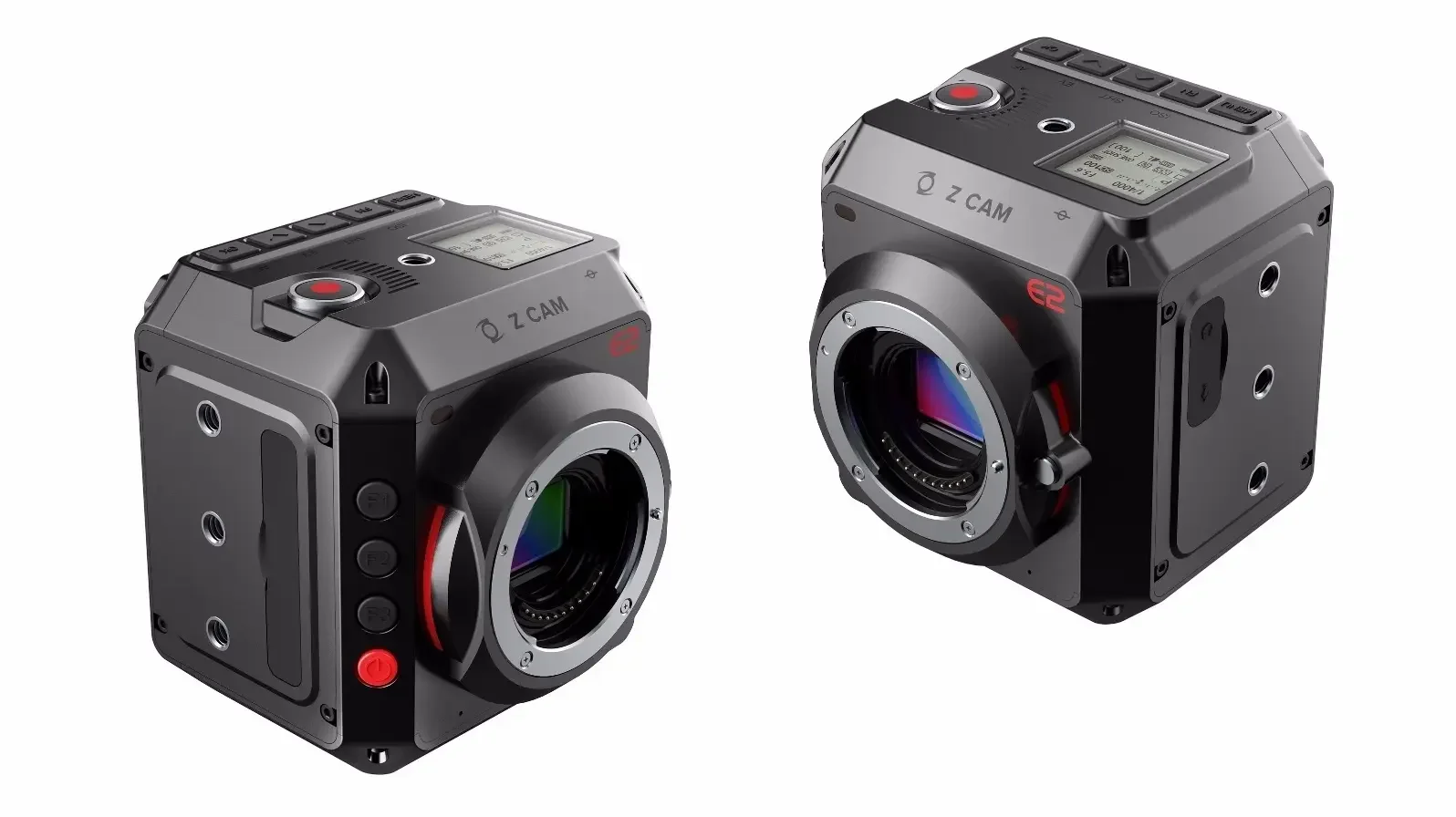
Z CAM Series: From Camera to Viewfinder, Cinema-Grade Precision Design
The Z CAM E2 cinema camera and EVF electronic viewfinder designed by IDING DESIGN for Shenzhen Visual Technology were each recognized in the Red Dot Product Design Award. The industrial design constraints for cinema-grade equipment are completely different from those for consumer products: a cinematographer's operating environment on set is complex and variable, and the device's button layout, grip feel, and weight distribution directly affect shooting efficiency.
The E2 camera achieves 4K@120fps recording in a compact body. The core design challenge is thermal management—heat from the high-performance chip must be solved through body structure rather than a fan. The EVF uses an aluminum-alloy body for lightweight construction, and the eyecup's light-blocking design determines whether a cinematographer can accurately judge the image in bright outdoor conditions. There is no room for decoration in this type of product—every form decision is a direct translation of a functional requirement.
Hisense Series
Hisense Series: Design Consistency Across the Product Family
IDING DESIGN has designed multiple products for Hisense: the Party Rocker HP100 portable speaker, 6DOF MR glasses, a rotating TV, and a 4K laser TV. The challenge of multiple coexisting product lines is how to maintain brand visual consistency across widely differing product forms.
Positioned as a party all-rounder, the Party Rocker HP100 integrates powerful sound and colorful lighting into a portable form. In CMF, the material treatment of the bass port directly affects the visual communication of sound quality—when consumers see the product, they can 'hear' its sonic character. The 6DOF MR glasses keep weight under 200 g, balancing wearing comfort for a head-mounted device with the thermal needs of the optical module.
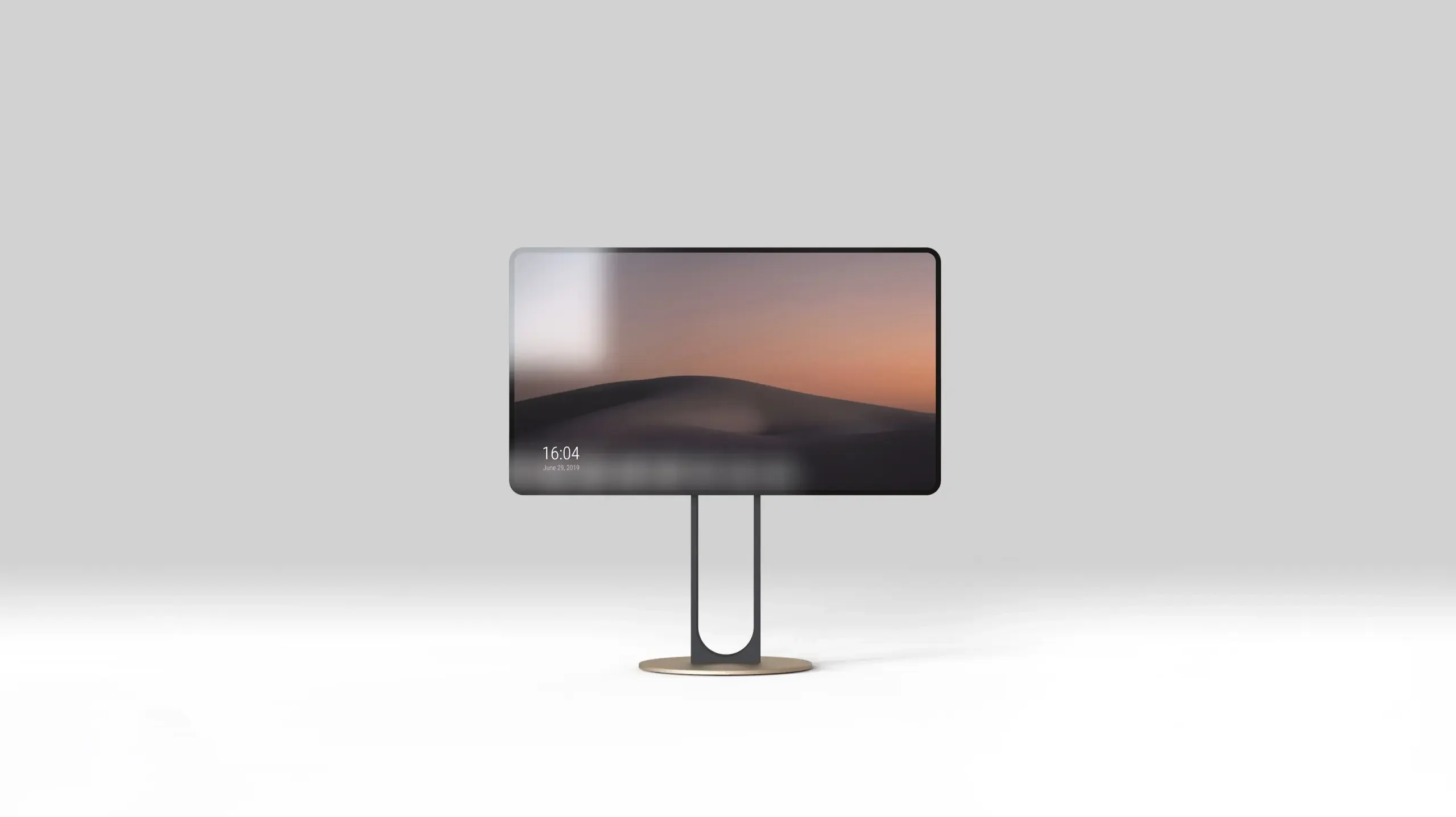
Behind the Red Dot: Best of the Best awards for the rotating TV and 4K laser TV is an easily overlooked design logic: a TV is not just a screen; it is the visual anchor of the living room. IDING DESIGN's design keeps the TV spatially coherent even when turned off—the concealment of the screen bezel and the structural reduction of the stand both answer a seemingly simple question: how can a non-glowing black rectangle blend into the home?
inbino Remote RS90—Big Design in a Small Product
inbino Remote RS90—Big Design in a Small Product
The remote control is one of the most overlooked categories in consumer electronics—small, low-cost, and with a low technical barrier. Yet precisely for this reason, it is a microscope for testing design skill. The inbino RS90 starts from grip ergonomics: key travel, tactile surface coating, weight distribution—these details are not functionally complex, but through dozens of repeated operations a day they accumulate into an overall impression of 'easy to use' or 'cheap'.
Consumer Electronics Industrial Design Is Moving from Looks-Driven to Engineering-Depth-Driven
Consumer Electronics Industrial Design Is Moving from Looks-Driven to Engineering-Depth-Driven. ...
Consumer electronics industrial design is shifting from looks-driven to engineering-depth-driven. As room for functional differentiation shrinks, design value moves from making products look good to making products easy to manufacture—lower defect rates, shorter tooling cycles, higher CMF consistency and yield. This is a competitiveness consumers cannot see, but brand manufacturers increasingly value it when choosing design firms.
Choosing a Consumer Electronics Design Firm
When Choosing a Consumer Electronics Design Firm, Don't Look Only at Renders in the Portfolio. ...
When choosing a consumer electronics design firm, don't look only at the renders in a portfolio. Ask three questions: What is the mass-production yield for this solution? How many backup suppliers does the CMF plan have? How many rounds of mold revisions are on record? If they cannot answer, no matter how beautiful the presentation, treat it with skepticism.
View IDING DESIGN's Full Portfolio | Book a Design Assessment