Two Poles: Pixels and Microns
AI Control Is Surging — the Physical World Is Taking the Micro Test
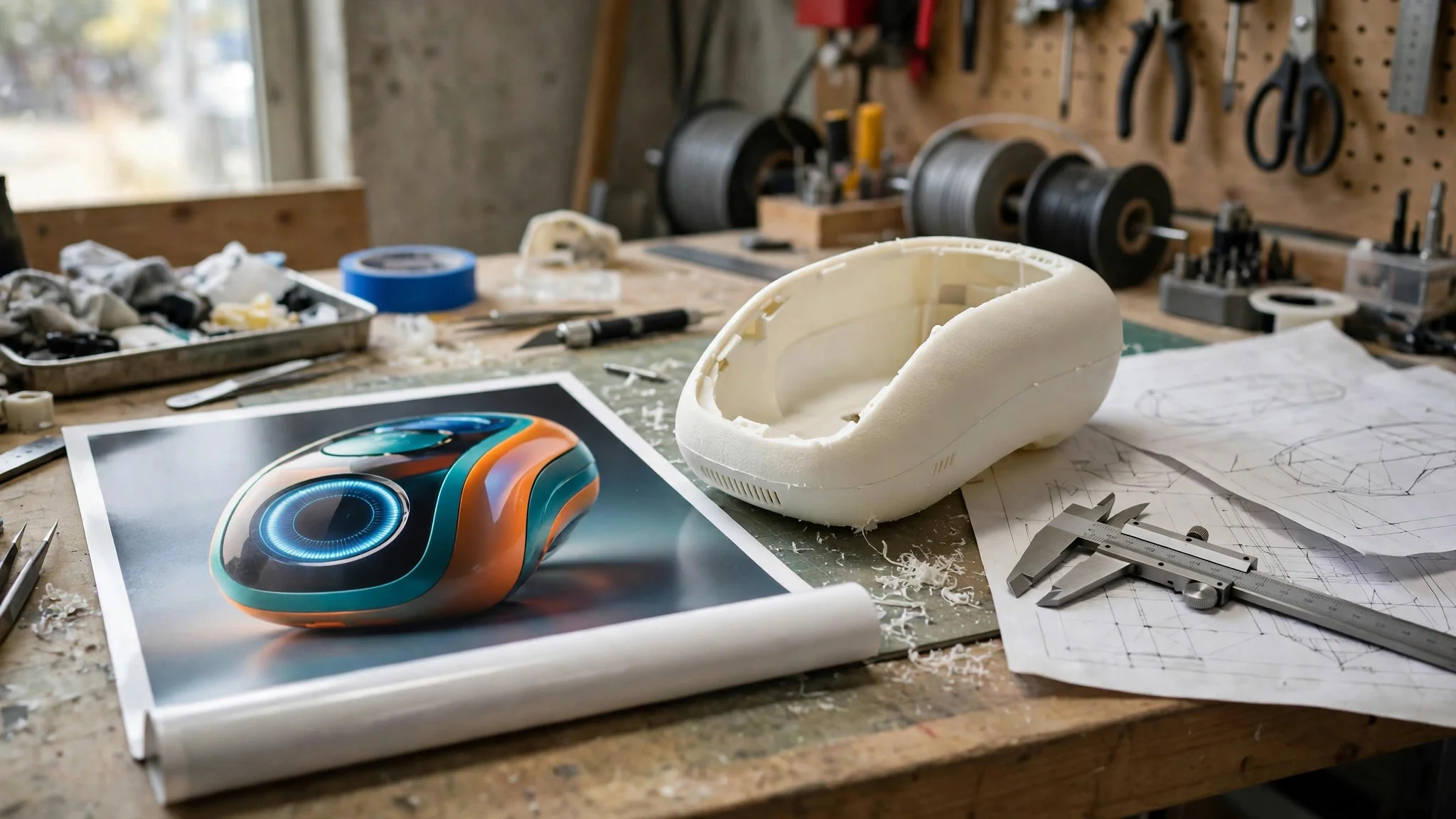
In mid-October 2026, generative AI tooling took a notable leap: Black Forest Labs released FLUX 3 Image Klein, an open-weight model with native 4K output, bounding-box control and pixel-precise editing. Around the same time, Vizcom rebuilt its Animate block with keyframe sequences, a multi-view turntable and custom render styles.
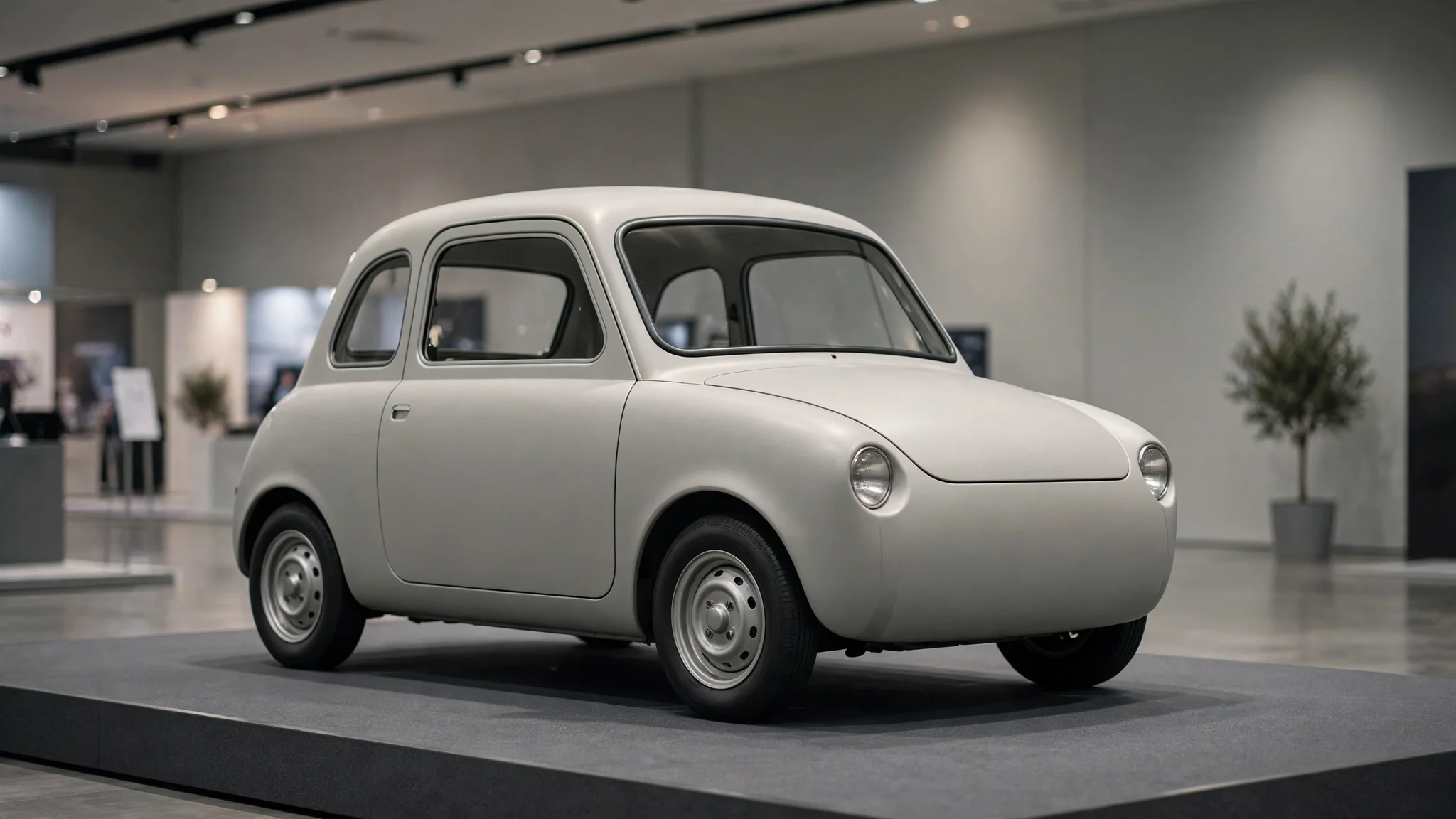
Meanwhile, on the factory floor, a very different trend is running: micro, carry-everywhere, highly integrated EDC (Everyday Carry) hardware is booming. From the retro micro blind-box camera that sold out after Japan's 2026 Good Design Award to keychain cameras from mainstream design teams, users are tired of bulky devices and want something ready in one grab.
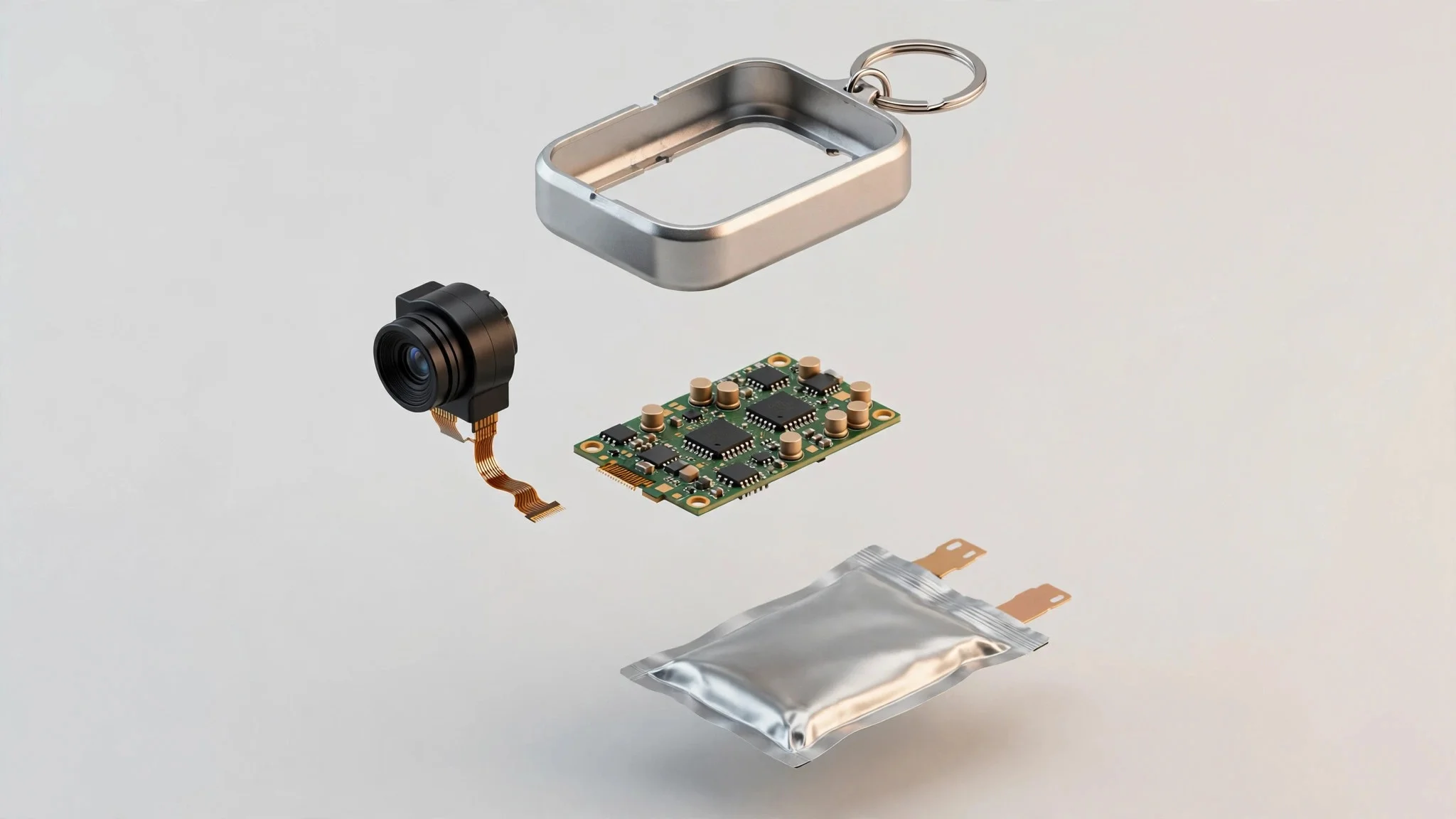
The split carries a hard lesson: the more precisely AI can generate pixels on screen, the stricter the bar for micron-level delivery on a production line. Inside a device just 30–50mm long and under 15mm thick, there is no room for even 0.1mm of tolerance luck.
Thin Walls and Thermal Red Lines
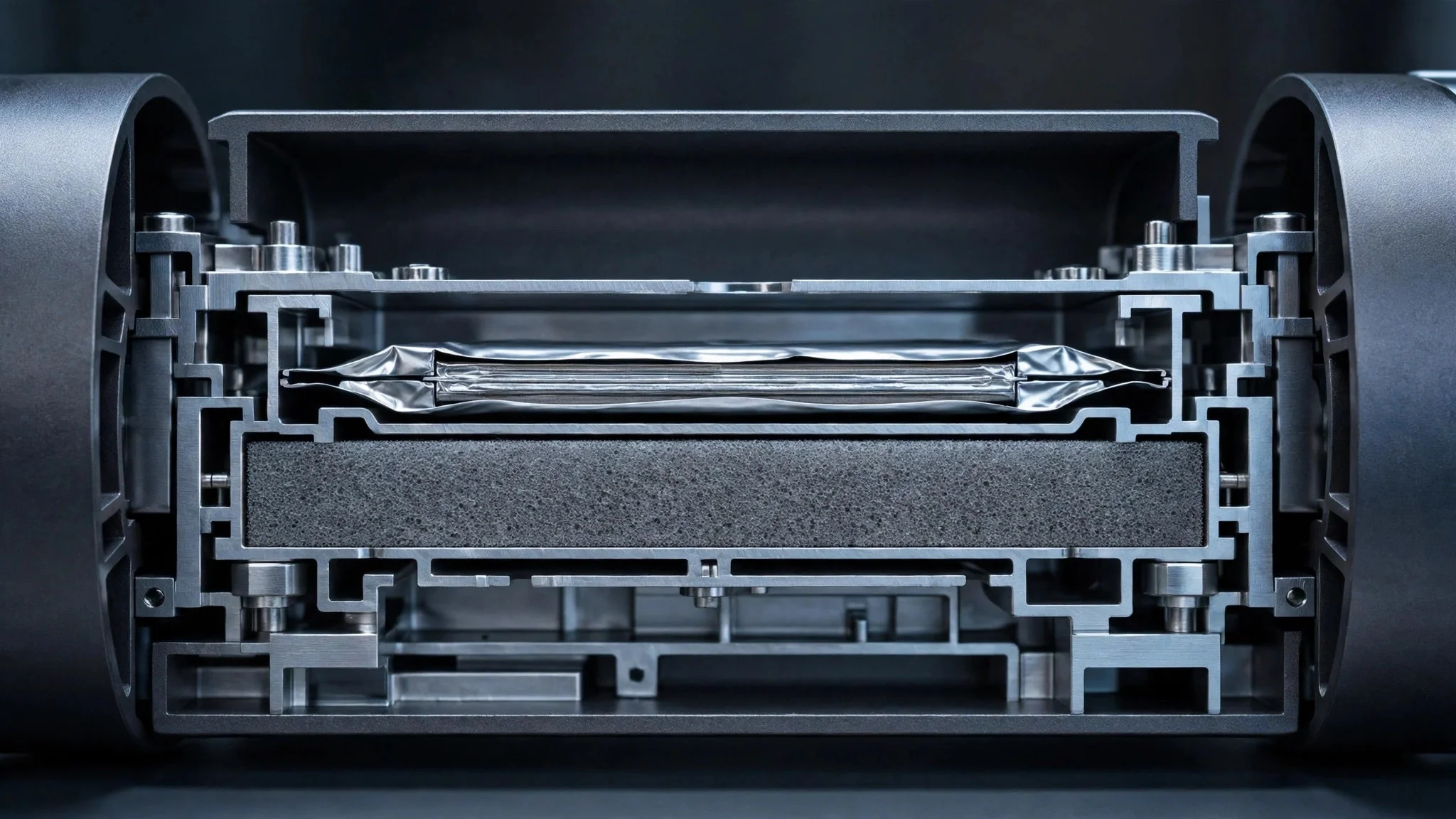
Ultra-Thin Walls and Sealed-Cavity Cooling: Draw the Red Lines Into the Drawings
Walls are squeezed to 1.0–1.2mm, where screws waste space and strip easily. IDING cuts a stepped ultrasonic energy director into the parting line — a 60° triangle rib, 0.3–0.4mm high, with a flash trap — so the weld is as strong as the base material and the seam shows no flash.
Internal ribs obey the 0.5–0.6T anti-sink rule, and a graphene heat-spreader path moves heat into the metal clasp and non-grip zones, keeping the touch-surface rise at ΔT ≤ 8°C — no burnt hands, no thermal shutdown.
Getting the Product Right
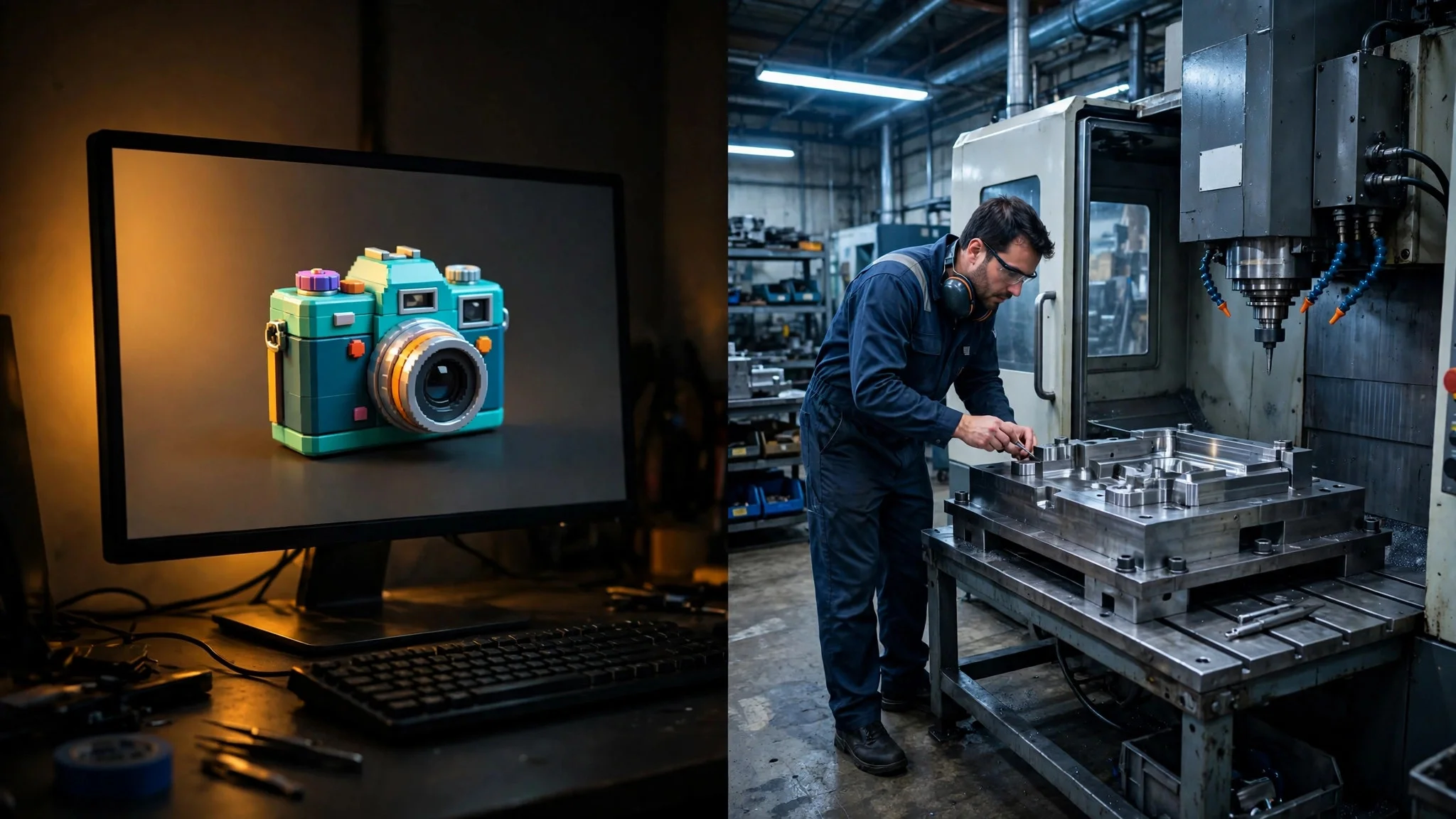
Compute the Four Conflicts First, and the Idea Walks Out of the Render
The micro-hardware race is not won on pixel precision, but on whether the four conflicts — battery, optics, wall thickness and heat — were computed inside a 30–50mm envelope before steel was cut. Computed right, an idea walks out of the render and becomes a product that survives thousands of drops on a keyring.
FAQ
FAQs on Micro Portable Hardware
Four questions most often asked about battery swell, optical tolerances, AI mould-making, and production delivery.
What are the core contradictions and mass-production failure points of micro portable electronics such as keychain cameras?
The core contradiction is strong multi-physics coupling inside an extreme 30–50mm space. The common failures are batteries cracking the shell for lack of an expansion gap, drops knocking the lens off its optical axis, thin-wall (1.0mm) weld lines fracturing, and ultrasonic welds flashing or failing for lack of a proper energy director and flash trap.
Why must 8%–10% of battery expansion space be reserved in micro hardware?
Pouch lithium cells generate trace gas during cycling, fast charging and heat, swelling 8%–10% in thickness. If the bay is modelled tight, the stress bulges or cracks the shell and can puncture the separator, risking thermal runaway. A 0.3–0.5mm buffer gap with elastic flame-retardant foam is mandatory.
Why can't pixel-precise AI image tools replace a professional design firm's production drawings?
AI models fit 2D pixel light and perspective; their output is a mesh or render with no manufacturing semantics. It carries no parting lines, no 1°–1.5° draft angles, no 0.5–0.6T rib rule, no ultrasonic-weld energy director and no 2D GD&T tolerance bands — so a factory cannot cut a mould from it.
How does IDING DESIGN guarantee drawings that go to moulding with zero rework?
By decoupling optics and structure with an independent metal die-cast inner frame, running upfront Moldflow, drop-stress FEA and 3D tolerance stack-ups, and delivering production 3D STEP solids with full feature trees, standard draft angles, ultrasonic energy directors and fully toleranced 2D drawings.
Keychain-Size Design Stuck? Compute It at the Drawing Stage
Struggling with battery swell, optical misalignment or trial-production rework? IDING DESIGN can move micro-stacking and tolerance problems upstream to the drawing stage — 19 years of industrial design and engineering delivery experience, solving them before they happen.