AI Industrial Design
AI Industrial Design: From Realistic Simulation to Production Readiness
In 2026, driven by both generative AI and advanced manufacturing technologies, global industrial design is undergoing deep restructuring. Design is no longer merely the visual presentation of formal aesthetics and CMF, but is accelerating toward a two-way deepening of 'multimodal simulation divergence' and 'rigorous engineering physical validation.' Recent global design developments show that AI tools have lowered the barrier to aesthetic concept expression in a very short time; at the same time, structural interference, injection molding shrinkage, and tooling costs in the real physical world pose new tests for industrial design's engineering implementation capabilities.
As a professional industrial design studio based in Chengdu and serving clients worldwide, IDING DESIGN, with 19 years of deep R&D experience, upholds the core value of 'Helping You Get the Product Right.' Drawing on recent global design frontiers, this article explores how industrial design can integrate the advantages of AI collaboration, break through physical constraints, and achieve precise delivery from concept to production-ready drawings.
2026 Global Industrial Design and AI Technology Frontiers
2026 Global Industrial Design and AI Technology Frontiers
Multimodal AI and Understanding of Physical Laws. The FLUX 3 Video model released by Black Forest Labs marks a new stage in AI-assisted design. The model achieves multi-frame continuity, native audio-video synchronization, and a deep understanding of physical motion laws. Draft mode lets designers complete high-fidelity simulation of product usage scenarios within minutes. OpenAI Astra's breakthrough in formal logical deduction indicates that AI is extending from 'generating visual illusions' to 'error-free logical validation.' But the more realistic generated images are, the more designers need engineering judgment to assess internal stacking and structural feasibility.
Circular CMF and Computational Design. The combination of sustainable CMF and digital computational design is maturing. From the marine clam shell recycled copolyester concrete furniture reported by Dezeen to the integration of computational design and traditional craft highlighted by Core77, CMF selection has risen from purely visual and tactile style to a comprehensive engineering decision involving material recycling rate, injection molding shrinkage rate, environmental weather resistance, and structural stress distribution.
Classic Aesthetic Reinterpretation and Return to Function. From the all-metal recreation of Dieter Rams's door handle structure to Nike and Hyperice's heated vibration foot recovery device, modern hardware products are returning to pragmatism centered on high durability, modular ease of disassembly, and deeper ergonomics.
Solving the Production Bottleneck
Solving the Production Bottleneck: IDING DESIGN's 'transparent engineering process' Methodology
When many innovative hardware solutions move from rendered concept images to mold manufacturing, they often fall into severe deformation after tooling, repeated mold modifications, and cost overruns because they ignore physical constraints. Drawing on 19 years of R&D experience across industrial equipment, medical devices, and consumer electronics, IDING DESIGN concludes: AI solves creative divergence and visual acceleration, while IDING DESIGN solves understanding of physical laws, rigorous structural validation, and delivery of production-ready drawings.
IDING DESIGN has established an 'transparent engineering process' risk-mitigation system across the entire process:
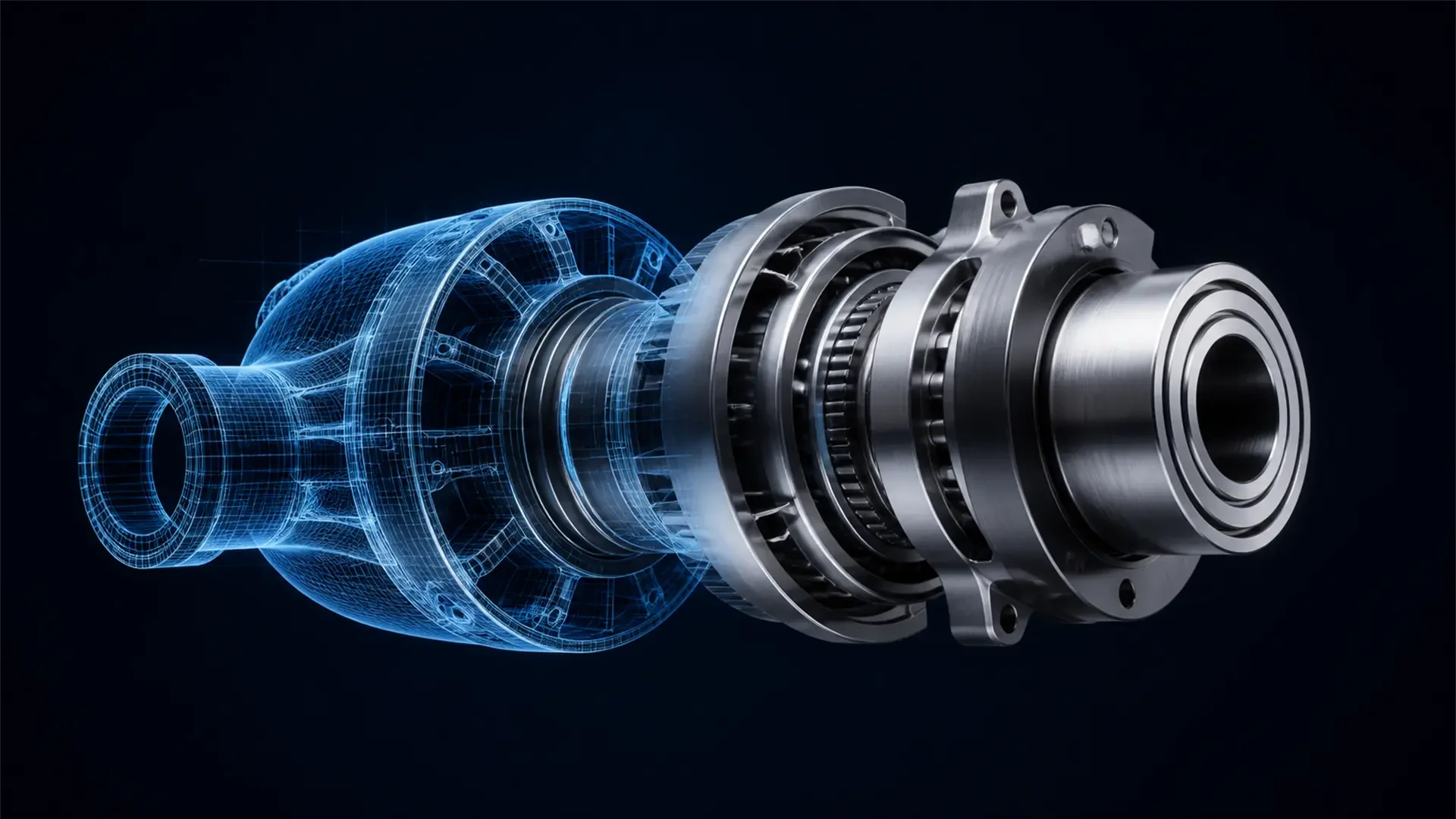
Advanced Surfacing and Optical/Interference Checking. In the early design definition stage, Rhino zebra stripe analysis, internal stacking space maximum compression rate checking, and gate/parting line optimization are introduced to ensure advanced surfaces deliver high-level visual light and shadow while meeting injection molding draft angle requirements.
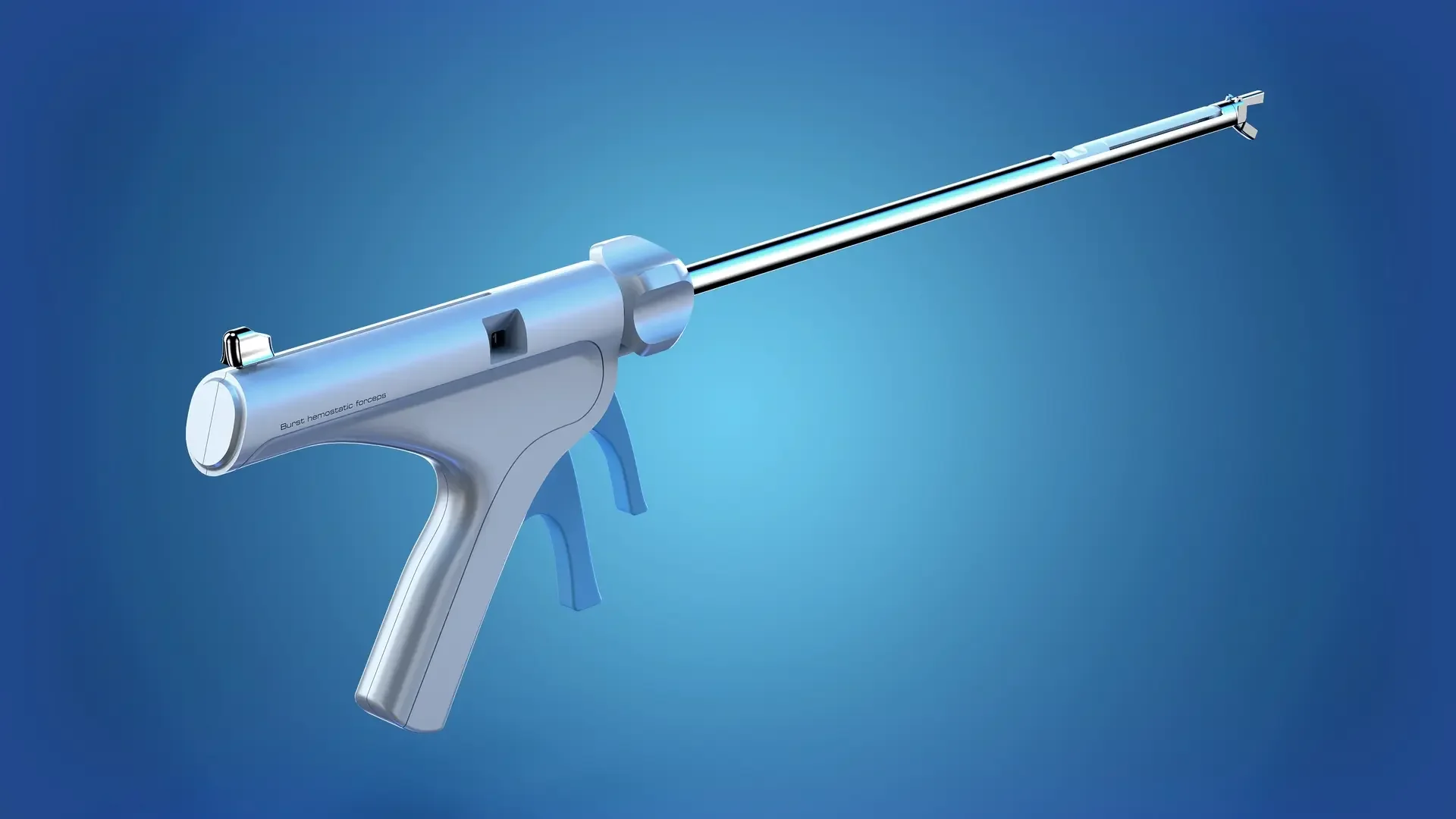
High-barrier Environments and CMF Physical Constraint Solutions. For medical devices that withstand 134°C high-pressure steam sterilization (PPSU/PEEK material matching), special equipment weight limits, and high-level protection requirements, we precisely match polymer materials and surface processes to eliminate the risk of shrinkage and stress cracking after tooling at the source.
Solving the Production Bottleneck
Solving the Production Bottleneck: IDING DESIGN's 'transparent engineering process' Methodology: Systematic Delivery that 'Helps You Get the Product Right.'…
Systematic delivery that 'Helps You Get the Product Right.' It does not stop at renderings; instead, it incorporates commercial conversion rate, human-machine interaction experience, and supply chain tooling costs into decisions simultaneously, delivering production-ready drawings that are 100% directly usable for manufacturing and significantly shortening time to market.
View IDING DESIGN's Full Case Library →
Book a Design Assessment →