October 2026 observations
Concept overload meets the realities of affordable functionalism
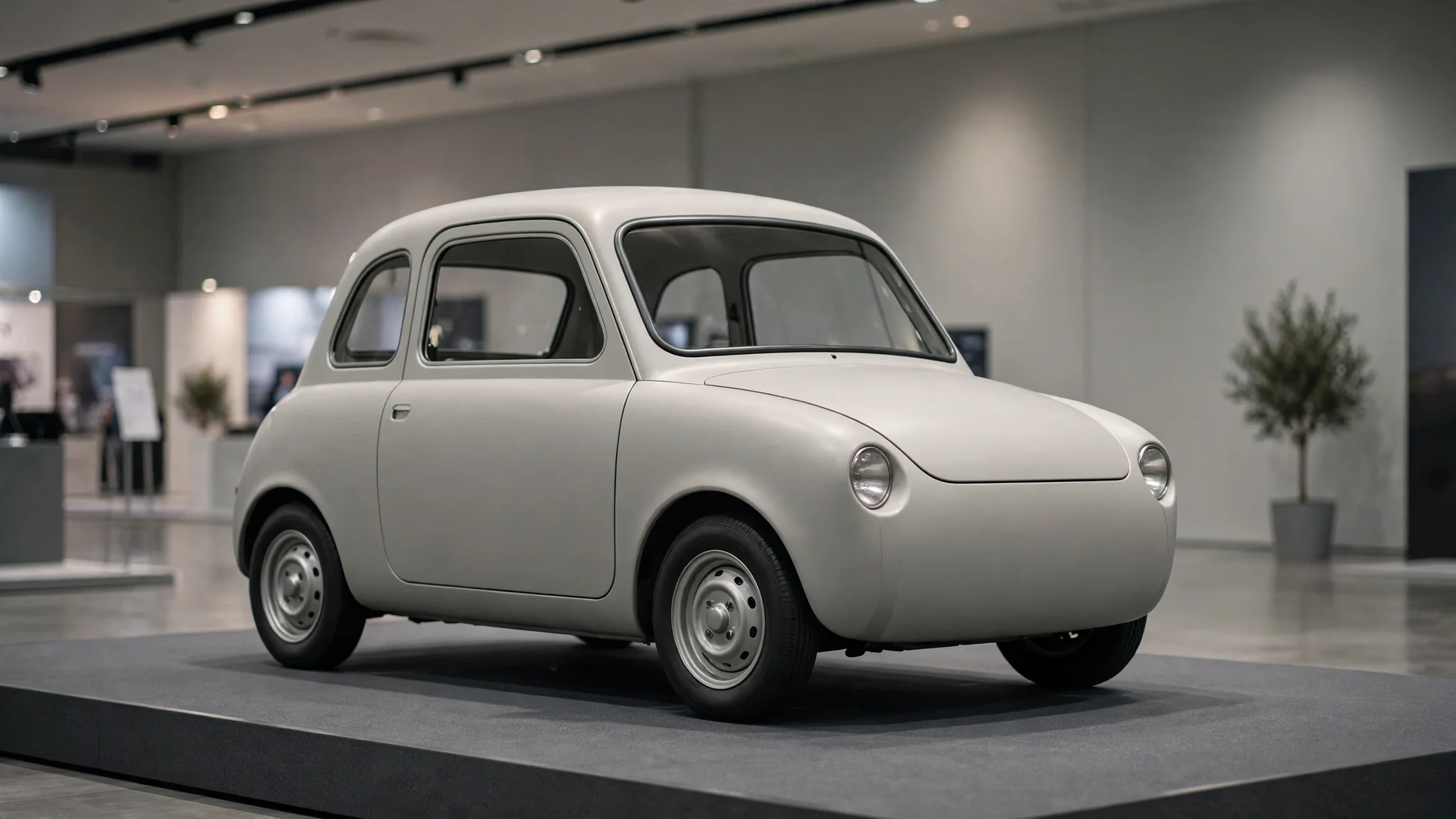
In October 2026, the Paris Motor Show and Dutch Design Week take place in succession. Peugeot's E-T16 wins Best Concept Car, while Citroen's all-electric 2CV concept targets a EUR 15,000 price point: no chrome trim or banks of screens, just restrained, single-curvature stamped sheet metal and polymer panels in their natural color.
Meanwhile, AI tools have brought the cost of generating product concepts close to zero, but the industry is increasingly weary of visual excess confined to the virtual world. Competitive advantage in hardware is converging on three practical concerns: low cost, modularity and manufacturability.
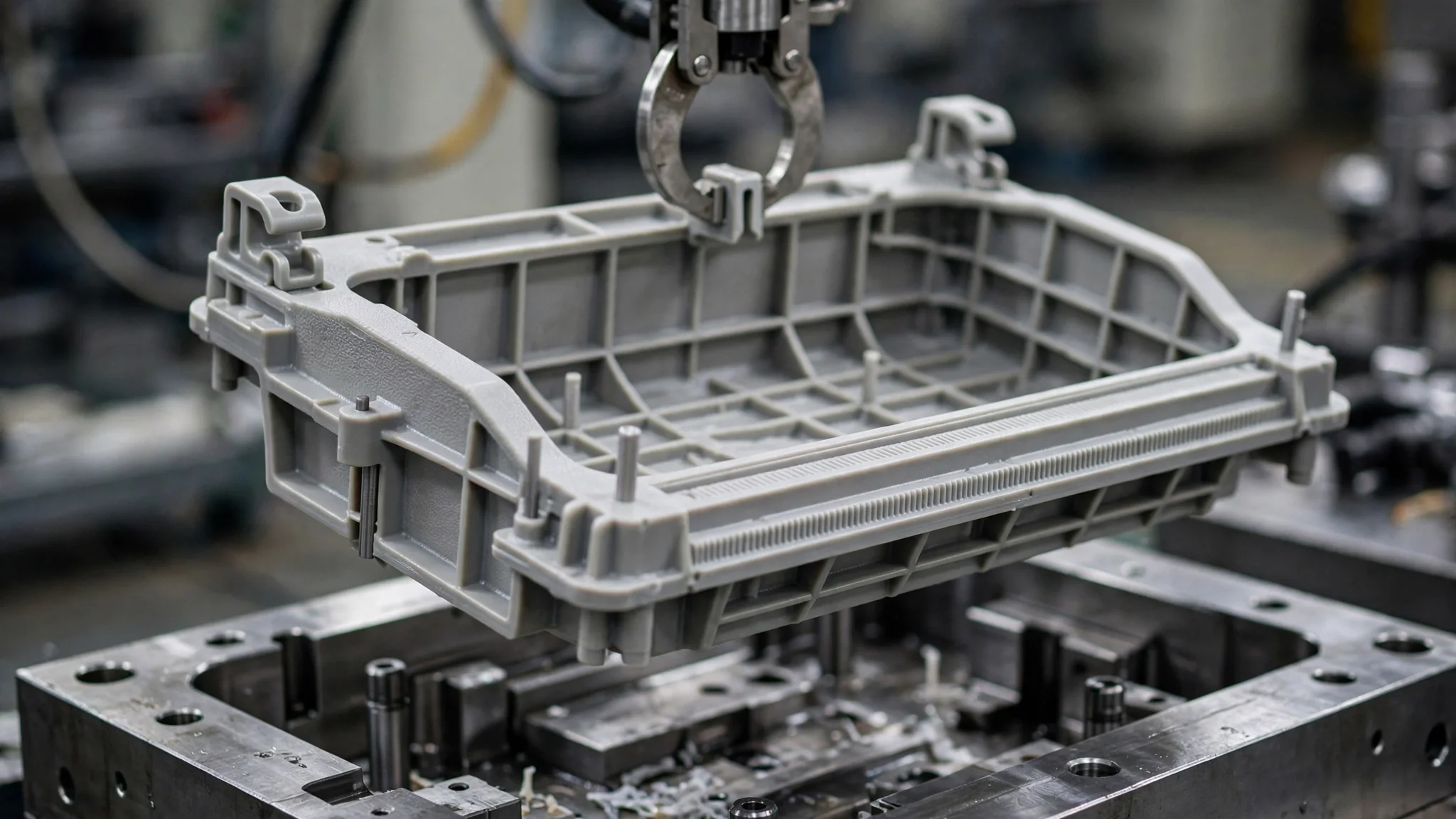
Part consolidation
One tool performs the work of three
Conventional designs separate the enclosure, frame, button supports and light-guide supports. Even a small device can require 15 to 20 small molds and dozens of screws. At the CAD stage, IDING DESIGN integrates locating bosses, cable channels, button flexures and reinforcing ribs into the same molded part.
The benefit goes beyond saving tens or hundreds of thousands of yuan in tooling. Fewer parts also mean fewer interfaces where tolerances accumulate, improving first-pass assembly success.
Unpainted CMF
An unpainted enclosure keeps its color when scratched
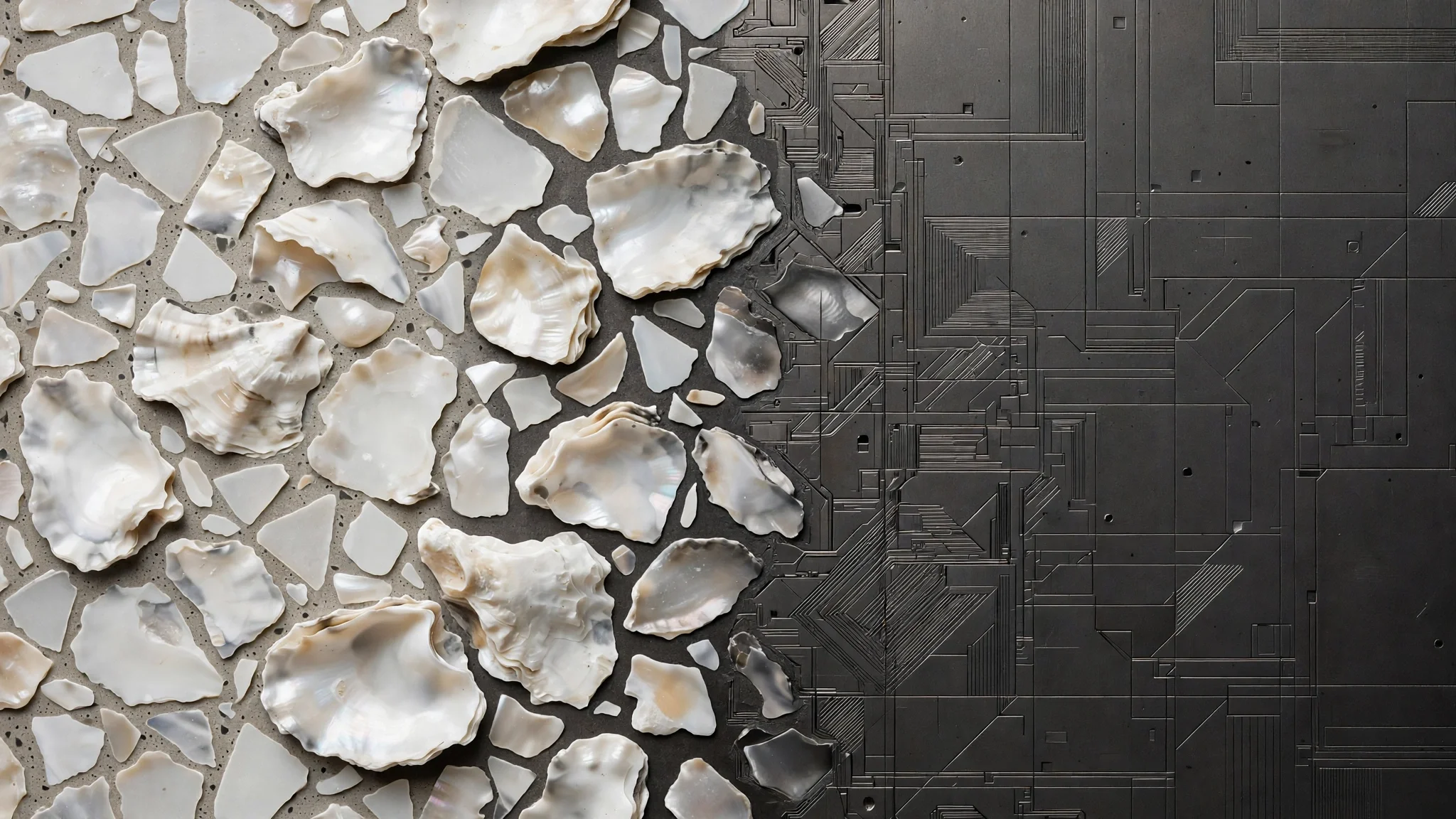
Multiple paint coats often conceal weld lines and sink marks, but can increase unit costs by 30% to 50%; scratches also expose the white substrate beneath. During drawing development, IDING DESIGN specifies weather-resistant modified engineering plastics and fine mold-cavity microtextures that produce a subtle matte finish directly during injection molding.
Removing the paint line does more than reduce cost. Without a coating, paint cannot peel and coating separation is no longer a recycling issue, benefiting both product life and environmental compliance.
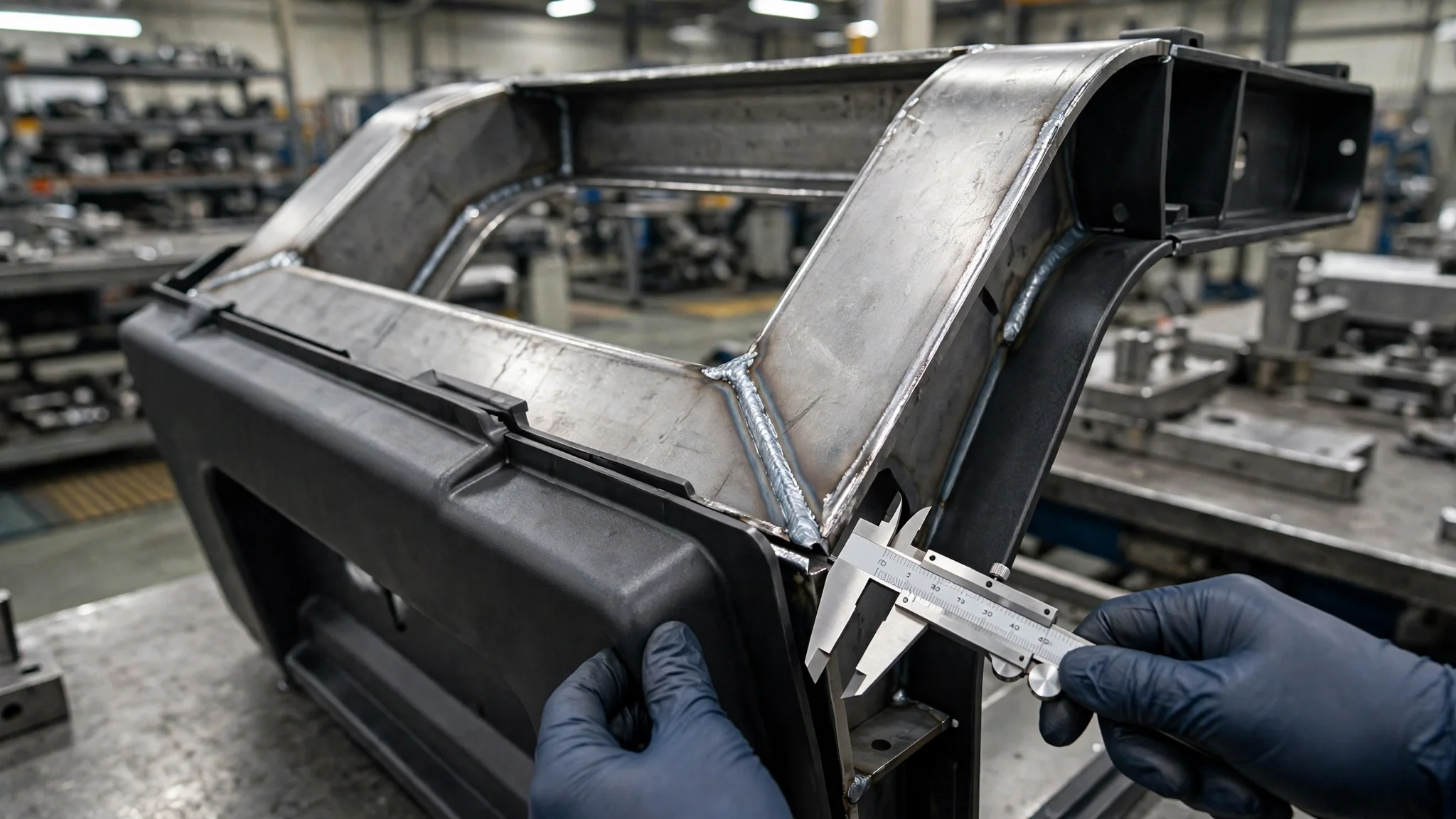
Thermal expansion mismatch
A 600 mm panel can develop a 1.2 mm expansion mismatch
Steel has a coefficient of linear thermal expansion of about 12 x 10^-6/K, compared with 60-80 x 10^-6/K for common engineering plastics, a difference of four to seven times. When a 600 mm cover warms from 20 to 50 degrees Celsius, its expansion relative to the metal frame exceeds 1.2 mm. Rigid restraint leads to cracking or bulging.
The solution is to let the plastic move. Use one locating datum hole, with slotted holes and floating washers at the remaining fixing points. The enclosure can then expand along its length as it heats up, releasing internal stress.
Springback and tolerance stacks
Stepped joints keep panel gaps and offsets within +/-0.2 mm
Sheet-metal bending springback can produce angular tolerances of +/-0.5 degrees and flatness deviations of +/-0.3-0.5 mm, while injection-molded parts can achieve tolerances within +/-0.1 mm. Bringing these two levels of precision together without accommodation produces uneven joints. The full tolerance stack must be analyzed during drawing development.
IDING DESIGN uses interlocking stepped joints and lightly chamfered guide channels. Even when the frame deviates by +/-0.4 mm, the parts guide themselves into position during engagement, keeping visible gaps and offsets uniformly within +/-0.2 mm.
Engineering foundations
AI cannot draw a draft angle or calculate a tolerance zone
AI can generate striking concept visuals in seconds, but it cannot calculate mold-cavity expansion under 120 MPa injection pressure or optimize a stamping die's trim line. When repeated mold adjustments cost hundreds of thousands of yuan and delay a launch by six months, AI bears none of the consequences.
For 19 years, IDING DESIGN has focused on one thing: helping you get the product right. Deliverables include 3D solids with complete feature trees and 2D engineering drawings. Draft angles, wall thicknesses, ribs and tolerances are controlled upfront, allowing the mold maker to proceed directly without revising the drawings.
Frequently asked questions
Low-cost functionalism and production tolerances
Four questions R&D leaders frequently ask about affordable functionalism, mixed-material assembly and drawing deliverables.
How does low-cost functionalism reduce costs through engineering?
By removing manufacturing waste rather than sacrificing quality: integrating parts reduces the number of molds; simple mold-release movements avoid expensive side-action cores; unpainted CMF eliminates the coating line; and self-locating snap fits substantially reduce screws and assembly time.
What are the most common production failures when plastic covers are assembled onto sheet-metal frames?
Temperature changes cause cracking, bulging and uneven joints. Plastics have a coefficient of linear thermal expansion three to six times that of metals, so rigid restraint can cause thermal stress to tear screw bosses. Slotted holes and floating bushings allow movement, while 1.0-1.5 mm compensation clearances accommodate thermal expansion.
Why can AI-generated concept visuals not go straight into mold production?
AI outputs pixels and polygon meshes without molding requirements such as draft angles, wall-thickness control or ribs designed to prevent sink marks. It also lacks component clearances and assembly constraints, and provides neither dimensional nor geometric tolerances. An engineering team must rebuild the design as parametric CAD solids.
How does IDING DESIGN translate 'get the product right' into drawing delivery standards?
Four concrete criteria: complete 3D solid feature trees with no broken surfaces; full tooling feasibility, with ribs following the 0.5-0.6T rule; 2D drawings specifying key datums and geometric tolerances to the applicable standards; and no further drawing revisions by the mold maker before programming and machining the tooling.
Getting a concept right is harder than making it look good
Concerned about tooling costs, pilot-production rework or production tolerances? IDING DESIGN can address these issues during drawing development. Our 19 years of industrial design and production engineering experience support production-ready drawings for direct tooling.